
Acupuncture Scottsdale, AZ
Personalized Acupuncture & Traditional Chinese Medicine in Scottsdale
When your body hurts, when your sleep suffers, or when stress has taken over — acupuncture can help.
You don’t have to keep managing symptoms. Whether you’re dealing with chronic pain, anxiety, sleepless nights, or hormonal shifts that won’t quit — your body already knows how to heal. Acupuncture gives it a clear path to do exactly that.
At Cedar & Sage Acupuncture and Wellness in Scottsdale, Jennifer brings over 30 years of healing experience and doctoral-level training to every session. Her approach is integrative, unhurried, and built entirely around you — not a protocol, not a rush.
Acupuncture is a Small Part of What We Do
Acupuncture is a small part of Traditional Chinese medicine. TCM includes:

Tui Na

Herbal Medicine

Cupping
Moxibustion

Electroacupuncture

Gua Sha
Acupuncture in Scottsdale Rooted in 3,000 Years of Tradition
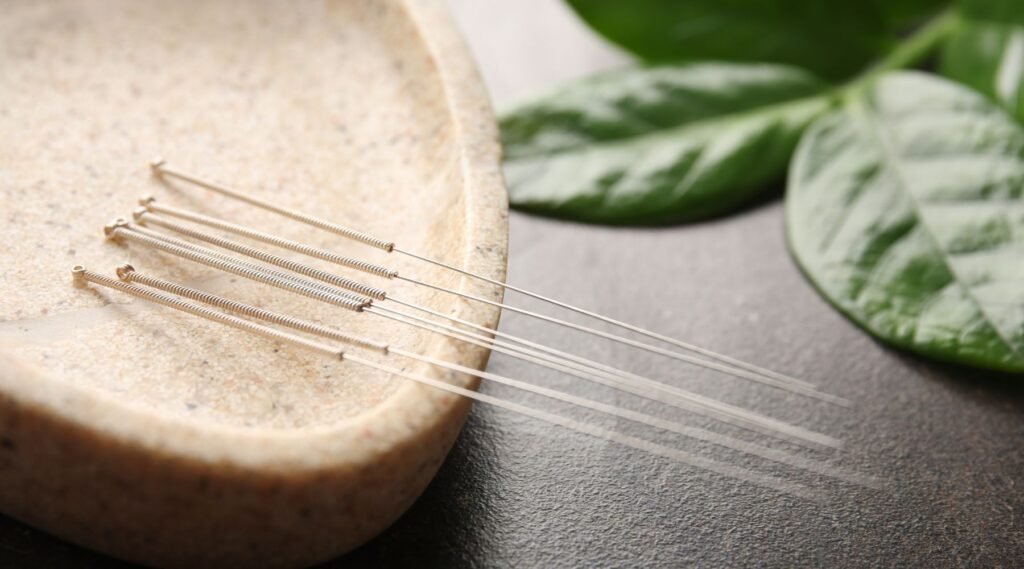
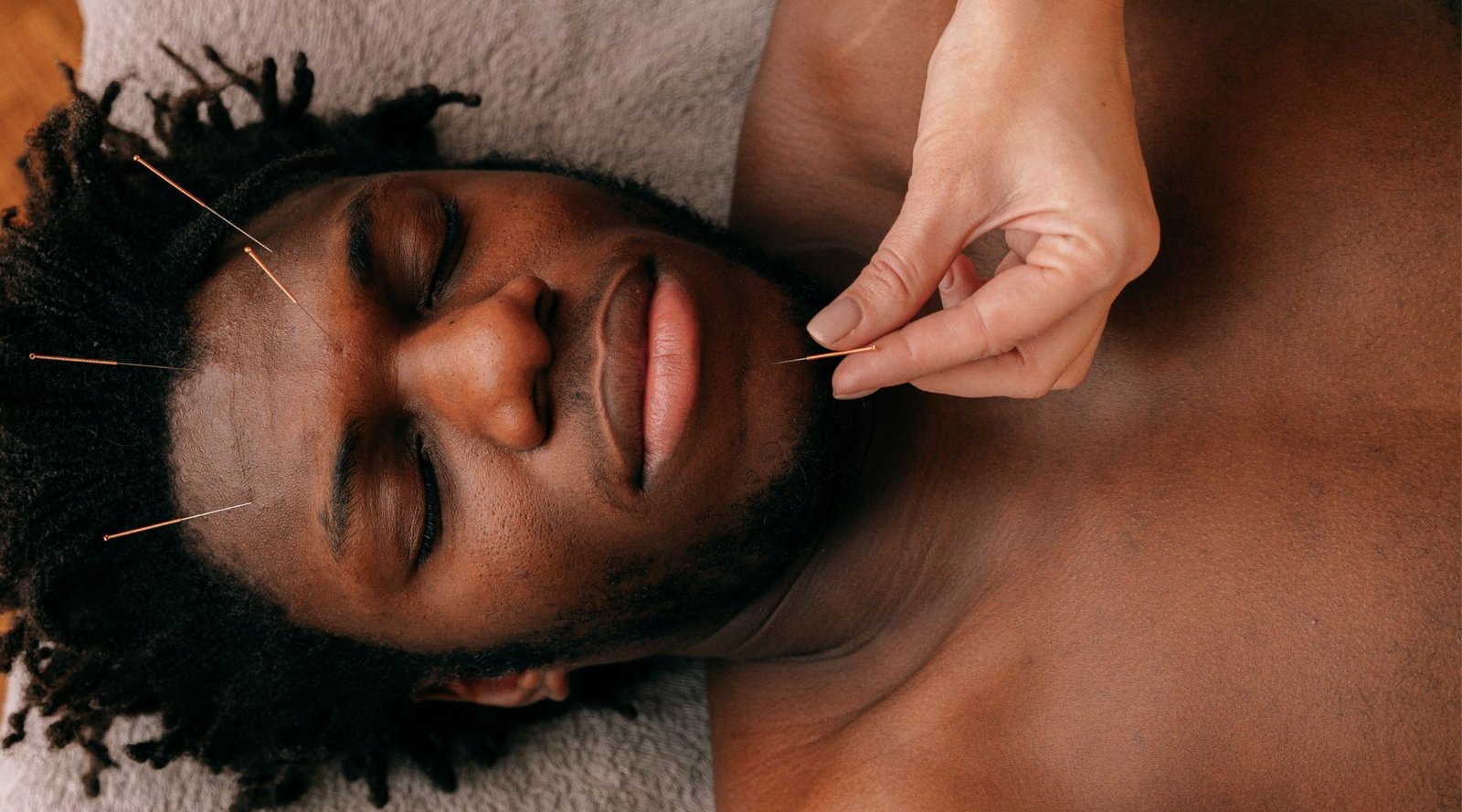
Rooted in Traditional Chinese Medicine, acupuncture uses ultra-thin sterile needles placed along the body’s meridian pathways to stimulate your nervous system, restore balance, and activate natural healing.
What Does Acupuncture Feel Like?
The needles are hair-thin — nothing like a typical injection. Most patients feel deeply relaxed during and after their session. Many are surprised by how comfortable and calming it is.
How an Acupuncture Session Works
01
Health history review
Jennifer takes time to understand your full picture — not just your main complaint.
02
Personalized treatment
Point selection is tailored to you each visit. No two sessions are identical.
03
Rest & integrate
Needles stay in for 20–30 min. Most patients drift into a deep, restful state.
04
Aftercare guidance
You leave with clear recommendations to support your results between sessions.
Please Leave the Fragrance at Home
We love sage, cedar, and fresh air—but some of our patients don’t love strong perfumes and fragrances. To help keep our clinic comfortable for everyone, please avoid wearing heavily scented products to your appointment. Your fellow patients (and their sinuses) thank you!
Conditions We Commonly Treat With Acupuncture
Pain Mangement
- Chronic back, neck & shoulder pain
- Arthritis & joint pain
- Headaches & migraines
- Sciatica & nerve pain
- Sports injuries & recovery
- Tennis Elbow
Stress & Neurological
- Anxiety & stress relief
- Insomnia & sleep disorders
- Post – COVID fatigue & brain fog
- Stroke recovery support
- Hives
Women's Health
- Hormonal imbalance & PMS
- Menopause symptom management
- Dysmenorrhea (painful cycles)
Immune & General Wellness
- Immune system support
- Digestive issues
- Seasonal allergies
- Overall energy & vitality
Frequently Asked Questions About Acupuncture
Does Acupuncture Hurt?
Most people feel little to no pain. Needles are hair-thin and may produce a mild tingling or dull ache at the insertion point, which is often a sign the treatment is working.
How many sessions will I need?
It depends on the condition. Acute issues may resolve in 3–8 sessions, while chronic conditions typically benefit from ongoing treatment over several weeks or months to experience substantial and lasting results. Acupuncture can be done daily, weekly, or monthly — and because everyone responds differently, the frequency and number of sessions can vary from person to person.
Is acupuncture safe?
Yes, when performed by a licensed practitioner. It is a low-risk treatment with minimal side effects when done correctly.
What should I expect during my first visit?
Your practitioner will take a full health history, discuss your symptoms, and develop a treatment plan. The first session often includes an initial treatment as well.
How long does a session last?
A typical session runs 45–60 minutes, including consultation time. The needles themselves are usually left in place for 20–30 minutes.
Is acupuncture covered by insurance?
We do not accept insurance, however, we are happy to provide a superbill for you to submit to your insurance company for reimbursement.
How should I prepare for a session?
Eat a light meal beforehand, avoid caffeine, wear loose comfortable clothing, and try to arrive relaxed and not rushed.
Are the needles sterile?
Yes. Licensed practitioners always use single-use, pre-sterilized disposable needles and complete an extensive clean needle technique course.
Can acupuncture be combined with other treatments?
Absolutely. It works well alongside conventional medicine, physical therapy, chiropractic care, and mental health treatment.
How will I feel after a session?
Most people feel deeply relaxed or even sleepy. Some experience an energized feeling. Mild soreness at needle sites is normal and temporary.
Is there anyone who shouldn't get acupuncture?
Certain points and techniques may not be appropriate for some people, including people with bleeding disorders, pacemakers (if electrical stimulation is used), or who are pregnant. Please make sure to fill out your medical history paperwork completely.
What are the Side Effects of Acupuncture?
Side effects may include feeling better, more relaxed and an overwhelming desire to have another treatment. In all honesty, side effects could include a light amount of bleeding after removing a needle, redness, bruising, and soreness.
What is the difference between acupuncture and dry needling?
While both practices use thin needles, they are worlds apart in terms of training and scope. A licensed acupuncturist completes 3–4 years of graduate-level education — thousands of hours covering anatomy, physiology, Traditional Chinese Medicine, and whole-body diagnosis. Dry needling is typically added as a short certification course, often just a weekend or a few days of training, for physical therapists or chiropractors. That depth of knowledge means an acupuncturist isn’t just targeting a sore muscle — they are reading your entire body’s patterns and treating the root cause, not just the symptom. When it comes to needle therapy, the training behind the hands matters.
Medical Emergencies
If you are experiencing a medical emergency, please call 911
Acupuncture Point Injection Therapy (APIT)
For patients who want to go further. APIT pairs the precision of needle placement with small amounts of highly diluted proven beneficial injectables — amplifying results that needles alone can’t always deliver.
Book Acupuncture in Scottsdale

Scottsdale, AZ
Private Appointments · Thursday–Sunday
Schedule individualized acupuncture care or a stand-alone fire cupping appointment at our Scottsdale location.